A manuscript can be spotless at the sentence level and still not work. The chapters don't build, the middle sags, a main character makes a choice that nothing earlier in the book has earned. Beta readers say something feels off but can't name it. That unnamed something is usually structural, and structure is the level at which developmental editing operates.
It is typically the first serious edit a draft receives, and for many authors the most uncomfortable one, because it can mean moving, merging, or cutting material you worked hard on. It is also the edit that changes the most.
What developmental editing covers
Developmental editing — sometimes called structural or substantive editing — treats the manuscript as a whole system rather than a sequence of sentences. The editor reads for the logic that holds the book together: what the reader is promised on page one, how that promise is paid off, and whether every part of the book is doing necessary work.
In fiction, an editor might point out that your central reveal lands at page 220 when the tension needs releasing at 140, that a secondary character disappears for ninety pages and returns as a stranger, or that two subplots are competing for the same space in the second act and one should be folded into the other. In nonfiction, the same attention goes to premise and argument: a how-to book that spends half its length explaining why the subject matters and a fifth on the method readers actually bought it for, chapters that repeat the same point under different headings, or a claim asserted with great confidence and never supported.
The questions a developmental editor is answering
- Does the opening establish the right promise for the kind of book this is?
- Does the middle escalate, or does it simply continue?
- Is the point of view or narrative frame the one that serves the material best?
- Does every chapter earn its place, and is the order the strongest available order?
- Is the book the right length for what it is trying to do?
- Who is this written for, and does the manuscript assume the right amount of knowledge?
What it does not cover
Grammar, punctuation, typos, house style, fact-checking, and permission clearing sit outside this pass. A good developmental editor will flag a sentence that is genuinely confusing or a factual claim that looks shaky, but the job is not to fix those lines. They belong to a later stage, and mixing the two usually means neither gets done properly.
Developmental editing versus line editing
The two edits work at different altitudes. A developmental editor asks whether a scene should exist at all, and where it belongs. A line editor asks whether the sentences in that scene are clear, rhythmic, and consistent in voice. One reshapes the building; the other improves the rooms you decide to keep.
In practice: a structural note might read, "The confrontation in chapter nine resolves a conflict the reader hasn't been given enough reason to care about — consider moving the sister's phone call to chapter four so the stakes are established." A line edit note reads, "This paragraph has four sentences beginning with 'She' — vary the openings and cut the second clause."
Order matters, and reversing it wastes money. Work through structure, then line editing, then copyediting and proofreading. Line editing a draft whose chapters will be reordered means polishing paragraphs you are about to delete.
Signs your draft is ready for one
The right moment is later than most writers hope and earlier than many wait for. You want a complete draft — a full beginning, middle, and end, even if the ending is rough — and enough distance from it to hear criticism without flinching. If you are still changing major elements every day, do another pass yourself first; you will get far more out of a paid edit.
Common signals that it is time:
- You have finished at least one full draft and revised it once on your own.
- Feedback keeps coming back vague: "I liked it," "something felt slow."
- You are bored in your own middle chapters and suspect readers will be too.
- You cannot summarise the book in two clear sentences without hedging.
- You have rewritten the opening five times and the problem is probably elsewhere.
- You are close to querying agents or self-publishing and no one has commented on structure.
Specific deadlines are a poor reason to skip this step. A structural problem discovered after publication cannot be edited; it can only be lived with.
What the process usually looks like
- A short briefing. You share genre, audience, word count, draft stage, and what you already suspect is wrong. Be honest here — an editor who knows you are worried about the middle will read the middle more closely.
- A sample. Many editors will look at ten or fifteen pages before committing, and you should see a sample of their notes before you commit too.
- The full read. The editor reads the manuscript once, sometimes twice, leaving margin comments as they go.
- The editorial letter. This is the heart of the deliverable: several pages identifying the main issues in priority order, with concrete suggestions and, often, a proposed revision plan.
- A conversation. Ask whether a follow-up call or email window is included. Talking through the letter for thirty minutes often clarifies more than rereading it three times.
- Optional re-read. Some editors will review your revised draft later. Confirm this separately, since it is usually a second job.
How to use structural feedback well
Read the letter twice on the day it arrives, then put it away for at least a few days. The first reading is emotional; the second is useful. When you come back, sort the notes into three piles: changes you agree with and can make quickly, changes you agree with that will take real work, and notes you disagree with.
For that third pile, test your disagreement in writing. Draft a short paragraph defending the choice the editor questioned. If the defence is thin, the note was right. If it holds up, keep your version — you are allowed to reject notes, as long as you can explain why. What you should not do is accept everything out of deference and then quietly resent the book you end up with.
Tackle the largest structural change first, on a copy of the file, before touching smaller notes. Fixing commas while the second act is still unresolved is a way of avoiding the real work.
Start with structure, then polish
If you remember one thing, make it the order: big decisions first, sentences last. A developmental edit before you polish will cost you less than discovering, after a copyedit and three proofreads, that chapter six belongs at chapter two. Ask any editor you hire what exactly is included — margin comments, an editorial letter, a call, a re-read — what stage they expect the manuscript to be at, and what they will not do. Then hand over the draft you actually have, not the one you meant to write.
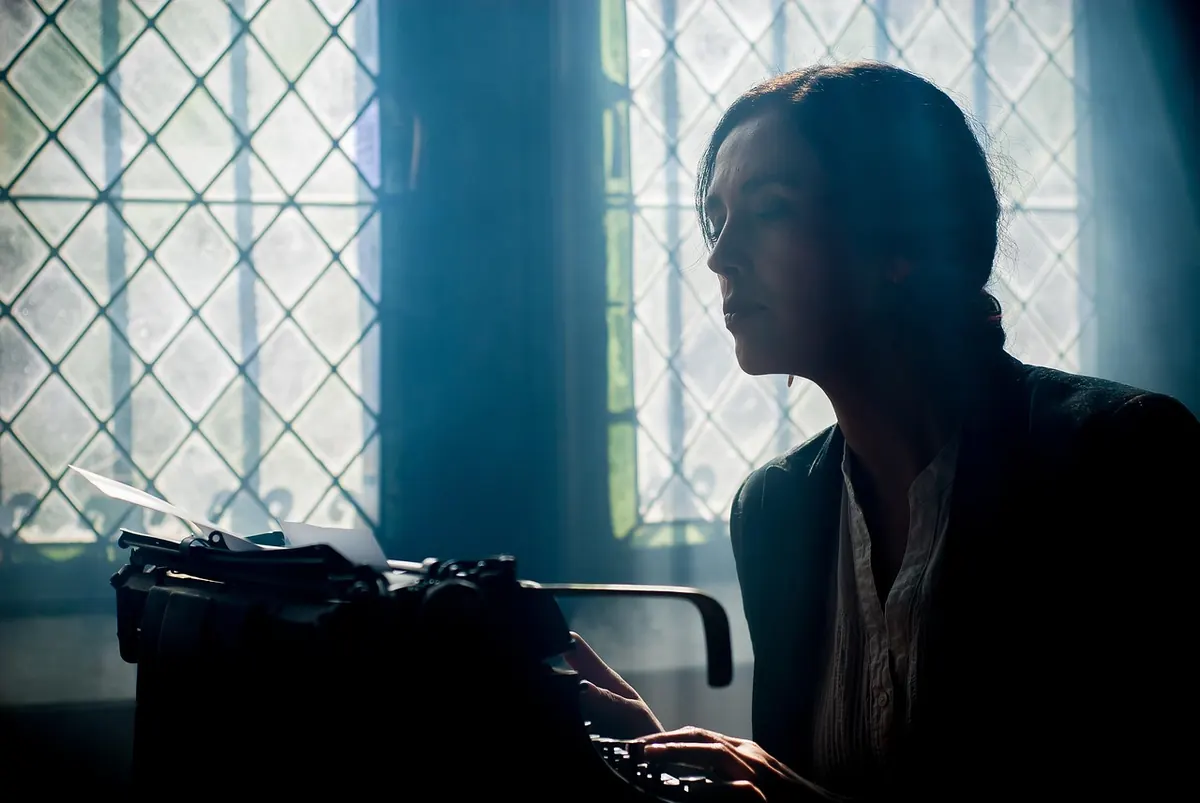
Photo: voltamax / Pixabay